

Virginia • State form and care payment

Pet insurance in Virginia

Use the Virginia contract, the real home address and the hospital’s payment instructions as three separate checks.

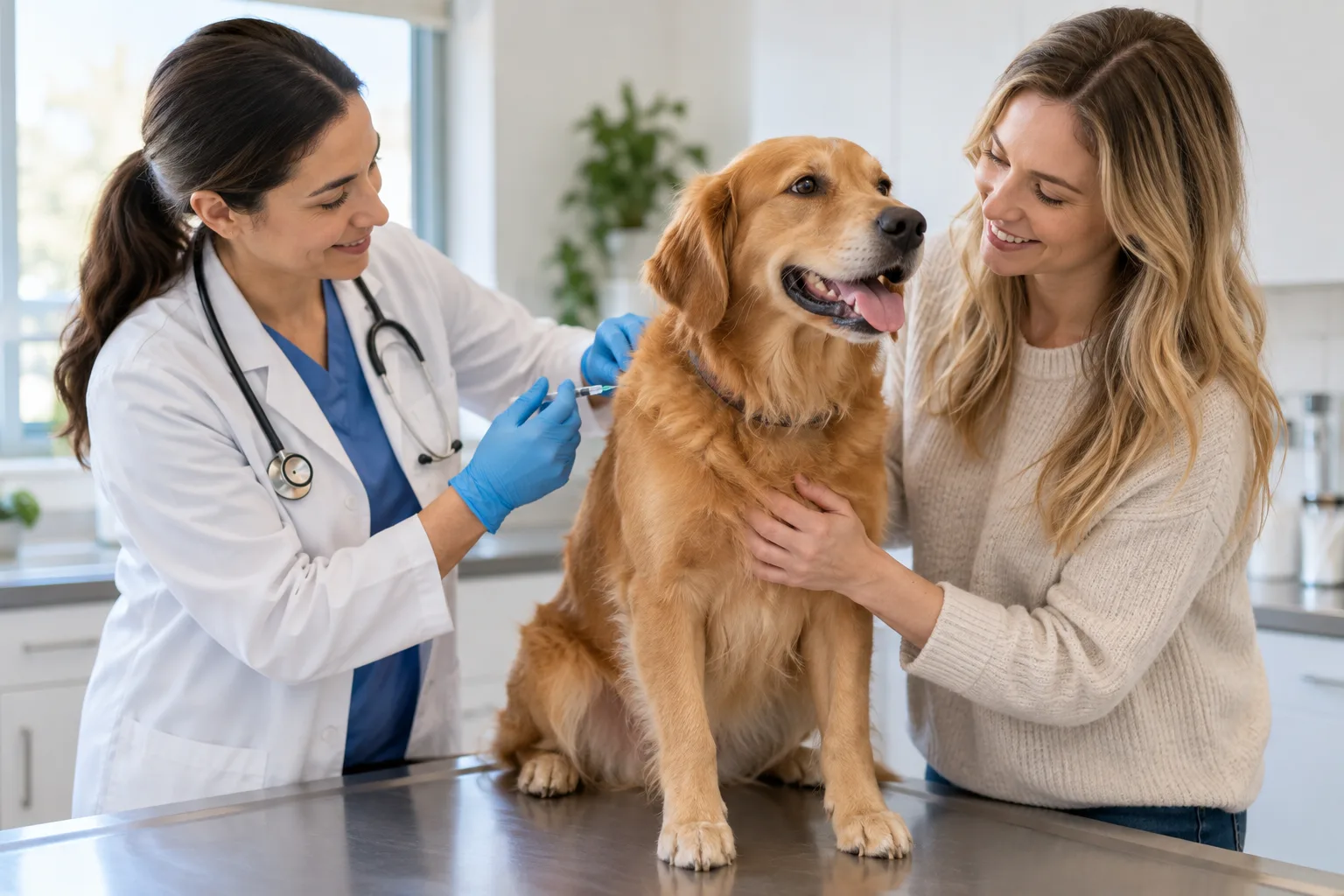
Veterinarian discussing a golden-colored dog with its owner
✓ Policy-first ✓ Independent ✓ Useful checks
Direct answer
Confirm the offered Virginia policy and the licensed insurer rather than relying on a national summary. Your actual address and pet profile determine the quote; a hospital’s willingness to treat the pet is a separate question from whether it will receive insurer payment.
What to know

Check the animal-insurance issuer

Virginia’s State Corporation Commission explains that insurers writing pet accident-and-sickness coverage must hold animal-insurance authority. Its filing guide includes that requirement even for certain pet-injury benefits attached to another insurance line. Do not search only for a human-health insurer because the product uses the words “pet health.”

Copy the legal issuing company and seller from the offer. Use the SCC’s official company and agent resources to verify them, or ask the Bureau of Insurance if the names do not match what you found. A brand, administering agency and insurer can occupy different roles. A familiar logo does not resolve a missing legal name.

Ask for the Virginia form and selected endorsements. Do not apply a waiting-period or refund rule found in another state to your Virginia purchase. This guide does not establish a special statewide pet-policy waiting period or promise that an online marketing summary is the final contract.

Quotes

Arlington, Fredericksburg and other VA quotes need real inputs

Use the home where the animal actually lives. A quote for Arlington is not automatically an offer for Fredericksburg, and a northern Virginia average cannot determine one pet’s price. Keep the species, age, breed or known mix, address and benefit choices the same when comparing providers.

If your regular veterinarian or specialist is across a state border, tell the insurer both the Virginia residence and the proposed treatment location. Do not replace your home address with the clinic address. Ask about eligible providers and treatment territory, then separately ask the clinic about deposits and records.

If you are moving into Virginia with an insured pet, ask your current insurer what must change before canceling or buying again. An address update and a replacement policy can have different consequences. Keep ongoing conditions and the effective dates in view instead of treating the move as only a new ZIP-code price search.

Cost & value

A Virginia hospital example shows why the premium is not the whole budget

Owner reviewing papers at home beside a golden-colored dog
Use the actual care estimate and hospital payment instructions when preparing for a visit.

Virginia Tech’s Veterinary Teaching Hospital publishes a concrete small-animal payment rule: inpatient services require a deposit of 75% of the estimate, with the remaining balance due at discharge. Outpatient services are paid in full at discharge. It also warns that supplemental charges may be billed later.

That is the published policy of this Blacksburg hospital, not a rule for every Virginia clinic or an estimate of what your animal’s care will cost. Confirm the current instructions for the actual service before a planned visit. For urgent illness, contact a veterinarian promptly rather than delaying care to complete an insurance comparison.

If your policy reimburses you after approval, a high reimbursement percentage does not remove the admission deposit. Obtain the treatment estimate and ask how updates will be communicated, when more money could be requested and how an itemized final invoice will be supplied. Keep any insurer claim decision separate from the hospital’s payment deadline.

What to know

Read a Virginia offer against the care you would use

Practical concern Document or answer to obtain
An emergency or specialist visit Provider eligibility, examination-fee wording and any selected recovery benefits.
A prior symptom or diagnosis The offered pre-existing-condition definition and the process for records assessment.
Routine vaccinations or checkups The separate preventive schedule, extra charge and service limits, if selected.
A large admission estimate Available benefit limit, remaining deductible and the hospital’s actual payment process.

Its base medical product and optional benefits serve different jobs, and its public materials describe reimbursement. Compare the particular offer rather than assuming “available in Virginia” means every expense is included.

If an insurance question remains unresolved, keep the quote or issued form, the relevant written statement and the insurer’s response for the SCC consumer route. For a treatment concern, contact the veterinary team. Separating the two questions makes it easier to obtain the right answer without expecting either organization to decide the other’s responsibilities.

Evidence

Sources and policy context

These public references support the consumer or veterinary context. Named insurer details were checked in official product materials; the policy offered for your pet and state determines the actual terms.

Next step

Compare Current Pet Insurance Rates

Check current options for your pet and location, then compare the policy details, exclusions, costs, and eligibility before choosing.

Compare the policy before you choose Check the actual offer, exclusions and out-of-pocket terms.
See Rate Options